


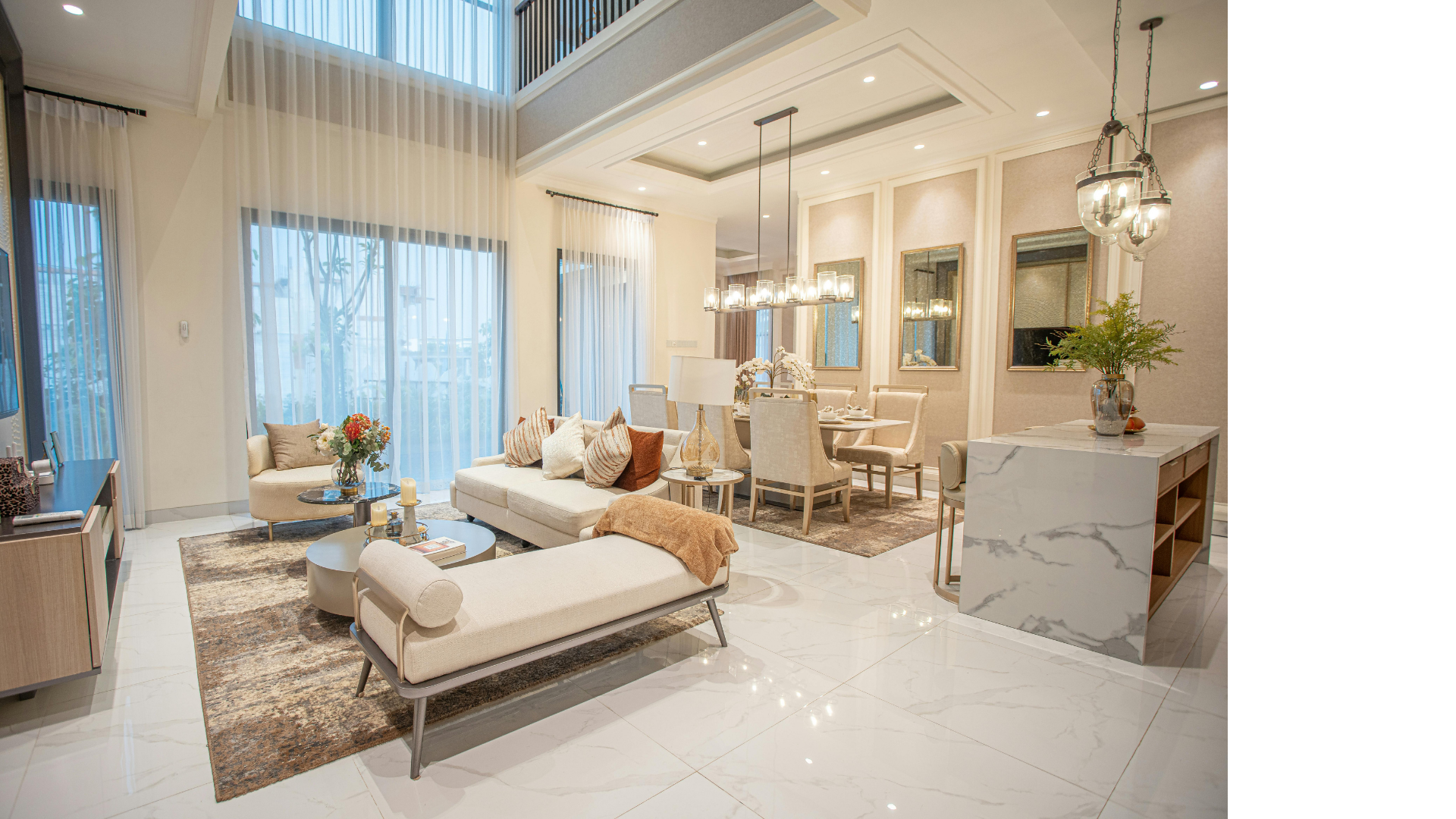
Modern homes are built to perform. With tighter construction, improved insulation, and advanced building practices, today’s homes are more energy efficient, comfortable, and durable than ever before. However, this progress has also introduced a less visible challenge: the air inside our homes is no longer refreshed naturally.
In older homes, air moved in and out through small cracks and gaps in the building envelope. While far from efficient, this passive airflow allowed for a constant exchange of indoor and outdoor air. Today’s homes, by contrast, are designed to be airtight. Built to meet higher energy standards and reduce heat loss, they limit uncontrolled air leakage, but in doing so, they also limit natural ventilation.
When Air Gets Trapped
The result is a fundamental shift in how indoor air behaves. Instead of being continuously diluted with fresh outdoor air, it becomes contained. Over time, this containment leads to accumulation.
Everyday activities – cooking, cleaning, bathing, and even breathing – release moisture and airborne contaminants into the home. Materials like flooring, cabinetry, and furnishings can emit volatile organic compounds (VOCs), particularly in newer builds. Carbon dioxide levels naturally rise in occupied spaces, while dust and fine particles continue to circulate.
In a tightly sealed home, these elements do not simply disappear. Without a reliable way to remove stale air and introduce fresh air, they build up – affecting comfort, air quality, and overall wellbeing.
When Natural Ventilation Is Not Enough
Opening windows is often seen as the simplest way to bring in fresh air, but in modern homes, it is an incomplete solution. Natural ventilation depends on outdoor conditions – wind, temperature differences, and seasonal changes – which makes it inherently inconsistent.
In colder climates, opening windows during winter is impractical and energy intensive. In warmer months, it can introduce excess humidity or outdoor pollutants such as pollen and smoke. Even when conditions are ideal, airflow is uneven and difficult to control, which means that some areas of the home may remain under-ventilated.
Most importantly, natural ventilation is intermittent. It cannot provide the continuous, balanced air exchange that today’s airtight homes require.
Designed Airflow for Modern Living
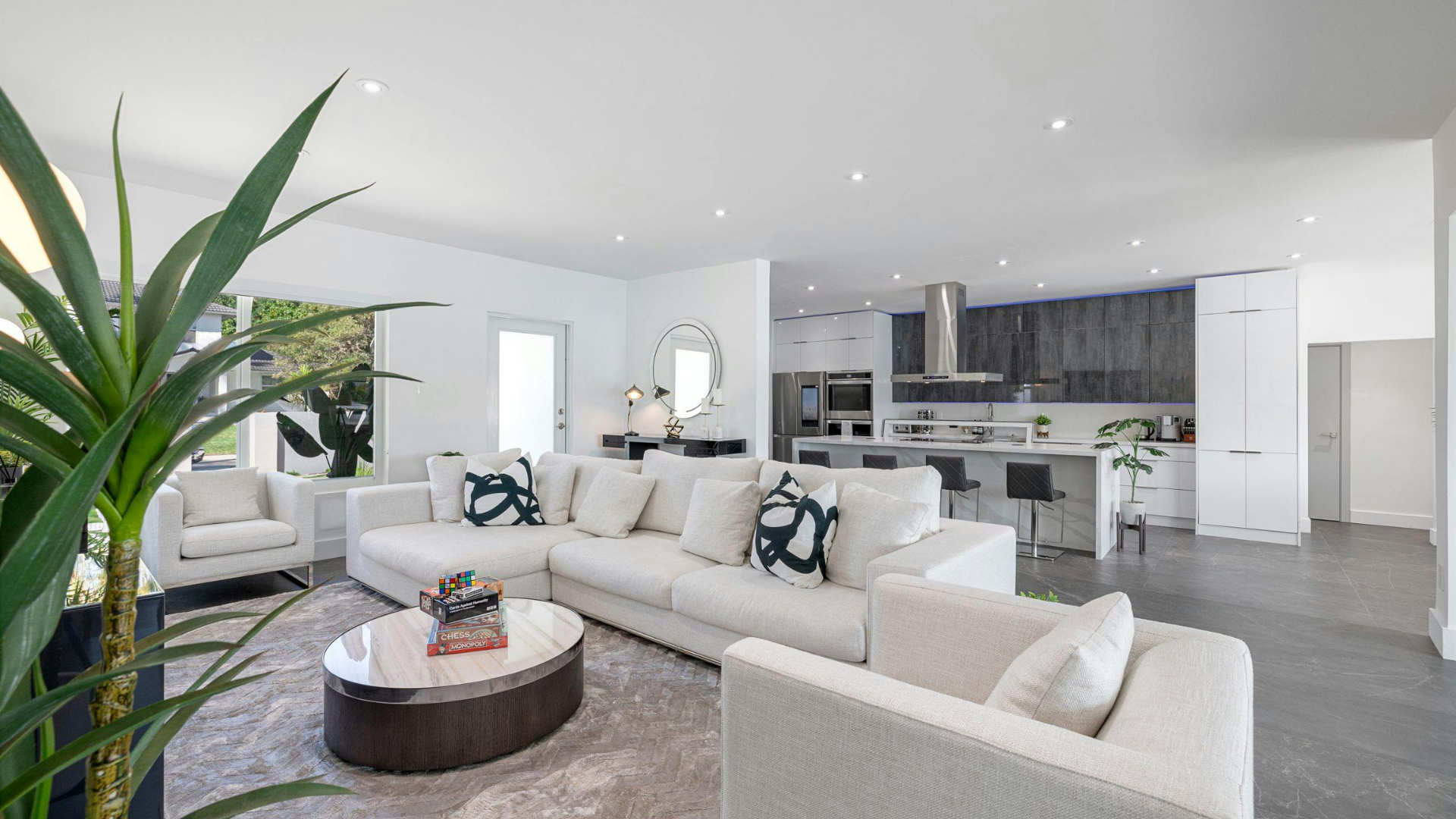 Mechanical ventilation addresses this challenge by replacing passive airflow with a controlled, consistent system. Heat Recovery Ventilators (HRVs) and Energy Recovery Ventilators (ERVs) are specifically designed to manage indoor air in a deliberate and efficient way.
These systems continuously remove stale indoor air while supplying fresh outdoor air, all while recovering heat – and in the case of ERVs, moisture – from the outgoing air stream. This allows homes to maintain energy efficiency while still benefiting from a steady supply of fresh air.
Equally important is balance. A properly designed system ensures that the volume of air entering the home matches the volume being exhausted. This balanced approach prevents pressure imbalances that can lead to drafts, moisture intrusion, or inconsistent airflow between rooms.
Instead, the home maintains a stable indoor environment – one where air quality, humidity, and comfort are actively managed rather than left to chance.
Airtight Homes Have Changed the Way We Breathe
As homes continue to evolve, so must the way we think about air. Ventilation is no longer a passive feature of the built environment – it is a critical component of how modern homes function.
At Lifebreath, we engineer ventilation solutions that deliver continuous, balanced, and efficient airflow – helping homeowners create healthier, more comfortable living spaces every day.
Breathe Easy. Perform Better.
 Sign Up for the Lifebreath Academy!
Education and training of industry partners have been an essential part of Lifebreath’s support. Sign up for our installation and balancing course to learn more about balancing your systems here.