



Fall brings cooler temperatures, changing leaves, and the return of heating season. But as the seasons change, so does our indoor environment.
While we often think about indoor air quality in terms of pollutants, filtration, and fresh air, humidity is an important part of the equation too. As outdoor temperatures drop, indoor air can become noticeably drier.
Understanding why – and how ventilation plays a role – can help create a more comfortable, balanced indoor environment throughout the colder months.
Why Does Indoor Air Get So Dry?
Cooler outdoor air generally contains less moisture than warmer air. When that colder air enters a building and is heated, its relative humidity drops.
As heating systems begin running more frequently through fall and winter, this effect can become increasingly noticeable indoors.
At the same time, colder weather means windows and doors tend to stay closed and we spend more time inside. That makes managing the indoor environment – including fresh air, humidity, and airborne contaminants – especially important during heating season.
Signs Your Indoor Air May Be Too Dry
 Low indoor humidity isn’t always immediately obvious. Instead, you may start noticing some familiar signs:
- Dry skin, eyes, nose, or throat
- Increased static electricity
- A space that feels less comfortable even when the temperature seems right
- Drying or shrinking of certain wood flooring, furniture, or finishes
These are all reasons to pay closer attention to humidity as outdoor temperatures begin to fall.
Dry Air Is Part of the Indoor Air Quality Conversation
Indoor air quality is about more than temperature alone. Humidity, ventilation, filtration, and airborne contaminants all contribute to the quality and comfort of an indoor environment.
And while dry air can be uncomfortable, simply adding more moisture isn’t necessarily the answer.
Too little humidity can create uncomfortable conditions, while too much humidity, particularly during colder weather, can contribute to condensation on windows and other cold surfaces.
The goal is balance.
Fresh Air Still Matters in Cold Weather
When colder weather arrives, keeping windows closed helps keep warmth inside. But that doesn’t eliminate the need for fresh air.
Everyday activities like cooking, cleaning, showering, and simply occupying a space can introduce moisture, odors, and airborne contaminants. Without adequate ventilation, these can accumulate indoors.
That’s where balanced ventilation comes in.
An Energy Recovery Ventilator (ERV) continuously exchanges stale indoor air with fresh outdoor air while transferring both heat and moisture between the outgoing and incoming airstreams.
During colder, drier conditions, this moisture transfer can help reduce the amount of indoor humidity lost through ventilation while still bringing fresh air inside. At the same time, energy from the outgoing air is transferred to the incoming air, helping reduce the energy required to condition that fresh air.
Rethink Your Indoor Air This Fall
As temperatures drop and heating season begins, indoor comfort is about more than simply turning up the thermostat.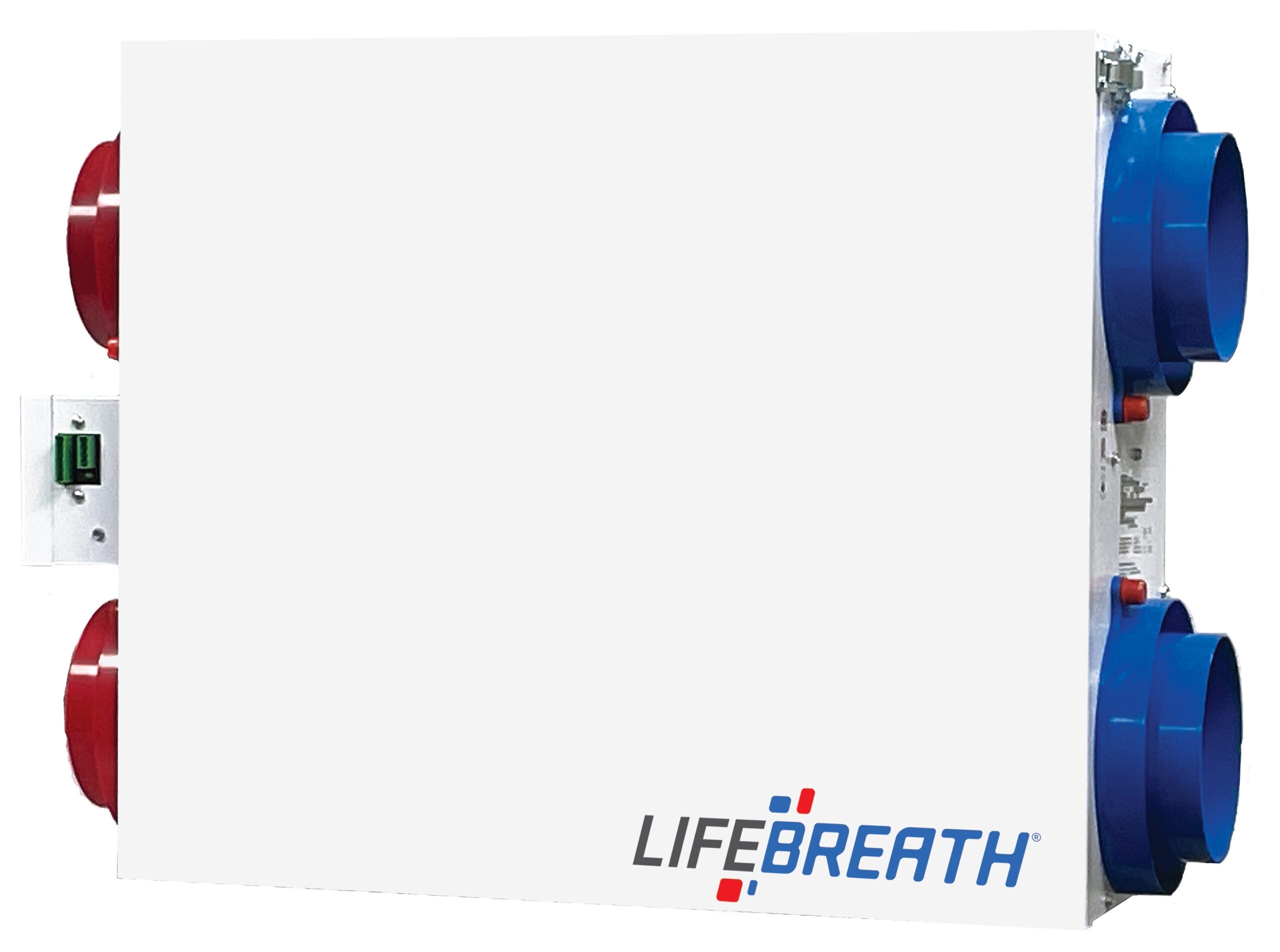
Fresh air, humidity, ventilation, and temperature all work together to shape the indoor environment.
With Lifebreath ERVs, fresh outdoor air can be brought inside while stale air is exhausted, energy is recovered, and moisture is transferred between airstreams – helping create a more balanced indoor environment throughout fall, winter, and beyond.
Cooler weather may mean drier air, but it doesn’t have to mean compromising on indoor air quality.
With the right approach to ventilation, you can stay ahead of seasonal changes and keep indoor air fresh, comfortable, and balanced all season long.
 Sign Up for the Lifebreath Academy!
Education and training of industry partners have been an essential part of Lifebreath’s support. Sign up for our installation and balancing course to learn more about balancing your systems here.